Invisible Yet Indispensable: The Urgent Need for Social Protection for Informal Women Workers
Last week, as we marked International Women’s Day, we reflected on the persistent structural inequalities that continue to shape women’s economic realities. This week, I am especially honored to dedicate this blog to the incredible work of EverJoice (EJ) Win, whose advocacy and tireless efforts have shaped the conversation around gender justice for informal women workers. EJ passed on the 9th of March, barely a day after International Women’s Day, and I cannot think of a better way to honor her than by exploring the deep legacy of her work.
EJ’s commitment to gender justice for women, particularly those working in the informal sector, has had an indelible impact. Her focus on challenging the systems that perpetuate gendered inequalities in labor, wages, and access to rights has helped amplify the voices of those too often ignored by mainstream economic policies. This blog unpacks why social protection remains inaccessible to millions of women and highlights the transformative solutions that EverJoy championed throughout her career, grounded in a deep belief in gender equality and justice for all women.
Defining the Problem: What Is Social Protection and Who Is Left Out?
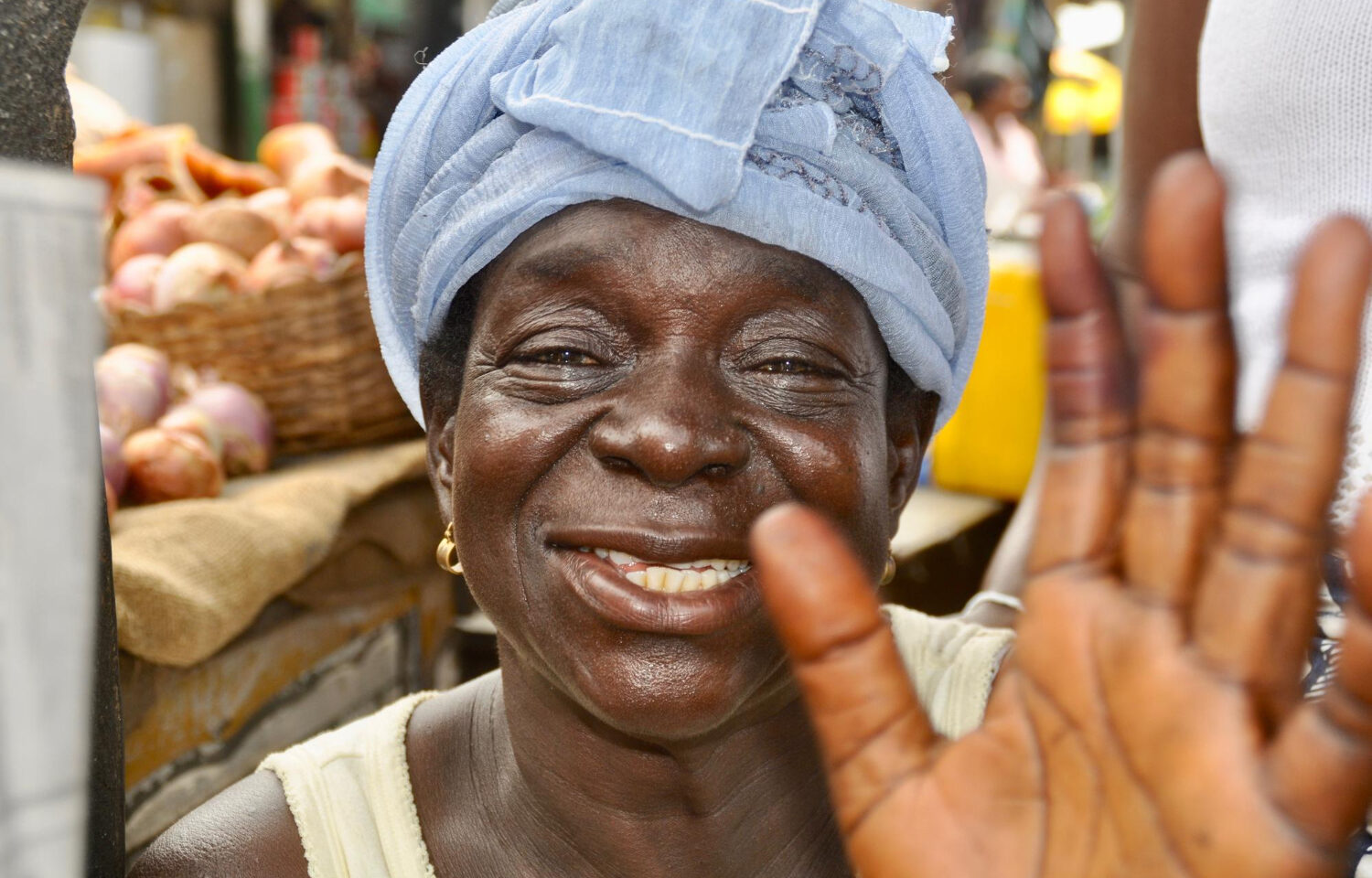
Social protection refers to public policies and programs designed to reduce poverty and vulnerability by ensuring access to essential services such as healthcare, maternity benefits, pensions, and unemployment insurance. However, the way these systems are designed privileges formal workers, leaving out millions of informal workers—92% of whom in Africa are women.
Some Key Statistics examples:
- 85.8% of employment in Africa is informal (ILO, 2018), and in sub-Saharan Africa, this figure rises to 89% for women.
- Domestic workers—over 75% of whom are women—are largely excluded from social security protections despite contributing to national economies (ILO, 2021).
- In Malawi, 95% of women in employment are in the informal sector (ILO, 2020).
These statistics paint a stark picture of the vast gender gap in access to social protection, where women are disproportionately concentrated in informal work and excluded from formal systems of support.The Political Economy of Exclusion: Why Informal Women Workers Are Left Out
Social protection systems were designed for formal employment structures, and while they aim to provide economic security, they largely fail informal workers—especially women.Why does this happen? A political economy lens reveals that:
1. Neoliberal economic policies prioritize capital over labor – The structural adjustment programs of the 1980s and 1990s, championed by institutions like the World Bank, led to the erosion of state-funded social protections. Privatization and deregulation left informal workers—especially women—without state-backed safety nets.
2. Legal frameworks favor formal employment – Many labor and social security laws define “workers” in ways that exclude informal traders, domestic workers, and other precarious workers, denying them rights enjoyed by those in formal employment.
3. Unpaid and underpaid labor is normalized – The invisibility of care work, which overwhelmingly falls on women, extends to informal labor. Women’s economic contributions are often seen as ‘helping’ rather than working, reinforcing their exclusion from labor protections.
4. Financial barriers block access – Where voluntary social protection schemes exist, contributions are often unaffordable for informal workers with irregular incomes, making it impossible for them to participate.These exclusionary metrics and policies reflect a deep-rooted gender bias that devalues women’s labor and leaves them vulnerable to economic shocks, health crises, and poverty in old age. This reflects a broader political narrative that treats women’s labor—particularly in the care economy—as less valuable or secondary.
The Intersectional Impact: How Women Bear the Brunt
Women in the informal economy are not a homogenous group. Their experiences of exclusion are shaped by race, class, migration status, and other intersecting inequalities. A Black woman migrant domestic worker in South Africa faces not only gendered exclusion from social security but also racial discrimination and xenophobic policies that limit her rights. A cross-border trader from Zimbabwe navigating restrictive trade policies and high taxation may find herself further burdened by unpaid care responsibilities at home.The exclusion of informal women workers from social protection is not accidental—it is a direct consequence of economic systems that devalue feminized labor and entrench inequalities. Without intervention, these women remain at risk of falling deeper into poverty, especially in times of economic crises, health emergencies, or old age.
The Urgent Need for Change: What Must Be Done?
To create a just and inclusive social protection system, governments, financial institutions, and civil society must take decisive action:1. Expand legal recognition for informal workers – Governments must reform labor laws to include domestic workers, cross-border traders, and other informal workers, ensuring they have access to protections like minimum wages, sick leave, and pensions.
2. Subsidized and accessible social protection schemes – Contribution-based systems must be redesigned so that informal workers can afford participation, with governments stepping in to co-finance contributions.
3. Strengthening informal workers’ movements – Organizations led by informal women workers, such as domestic worker alliances and cross-border trader networks, must be at the forefront of policy discussions, demanding their rights.
4. Global institutions must step up – The World Bank and other financial institutions must go beyond rhetoric and commit to funding universal social protection programs that include informal workers, particularly women.A Call to Action: Social Protection as a Feminist and Economic Justice Issue
The exclusion of informal women workers from social protection is not just a labor issue—it is a human rights issue, and an economic justice issue. As long as economies continue to extract value from women’s labor without offering protection in return, we will never achieve true gender justice and economic transformation in its truest sense.